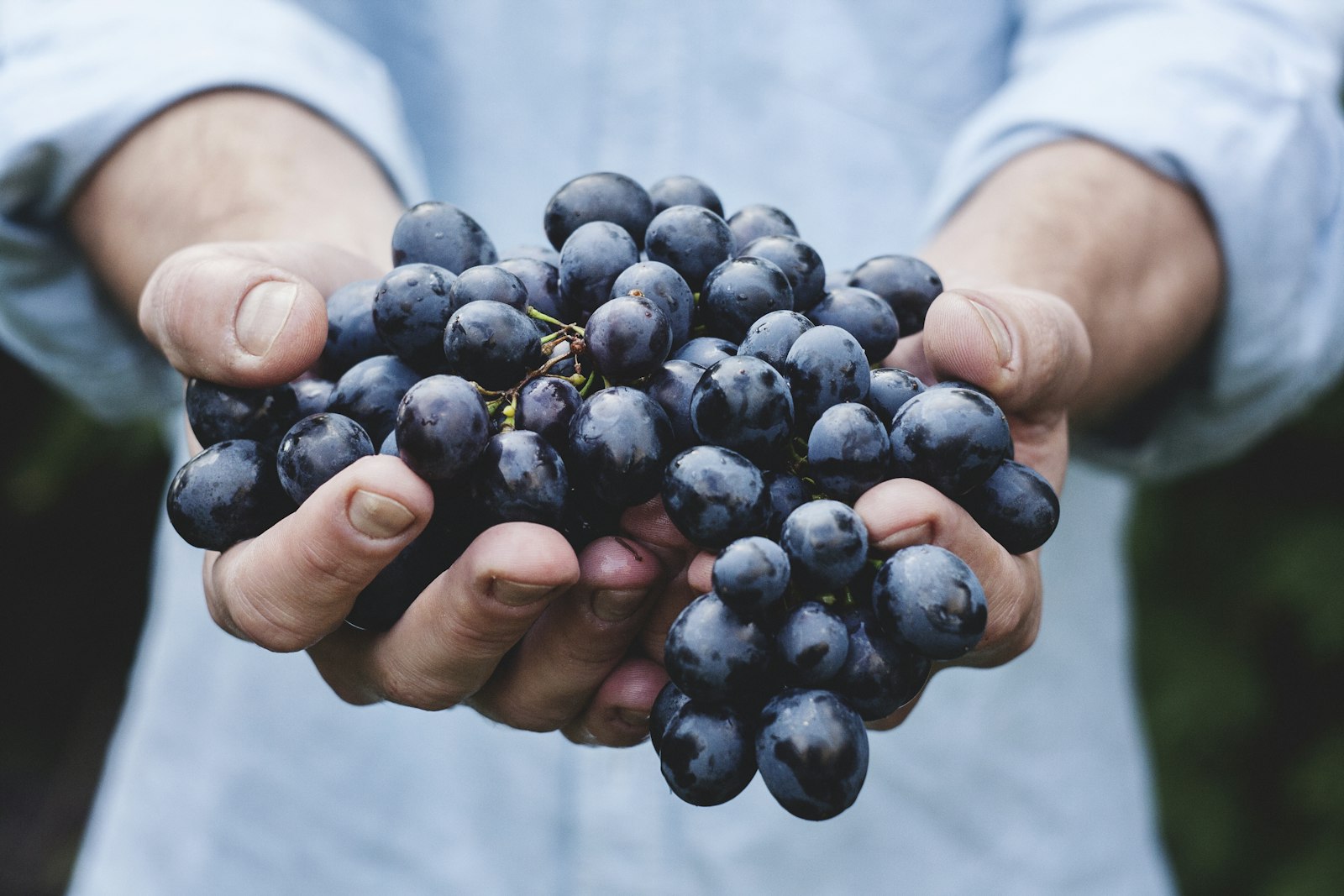
Journal
I Spent a Weekend Tasting Across Temecula — What I Learned
Two days, six wineries, four trails, one valley that keeps getting written off. A field report from a weekend of tasting in Temecula Valley — what surprised, what disappointed, and what I'd do differently.
April 21, 2026 · The Temecula Winery Guide Editors
The first thing you notice driving into Temecula on a Saturday morning is how unprepared the valley is for the volume of people who show up to taste wine here. Rancho California Road, the main artery of the wine country, isn’t a full lane in each direction — it’s a two-lane country road built for a community that’s been growing far faster than its road maps. By 11 am there’s already a Sprinter van line at the Wilson Creek turnoff and a slow-moving parade of Audis, Teslas, and Ubers from Carlsbad heading east toward the wineries that promised the most-Instagrammable patio. The valley tries hard to look casual. The infrastructure says it knows it can’t.
That tension — between a wine region trying to perform as serious destination and a wine region built almost by accident on the leftover citrus land of inland Southern California — is the through-line of the weekend I spent here. Six wineries, four wine trails, two dinners I won’t soon forget, and a Sunday morning headache that confirmed what I suspected on Friday night: this valley has more in it than most of its visitors realize, and most of its visitors are pacing themselves wrong.
Friday afternoon: starting at the small estate
I started at Doffo. This was a mistake, in the sense that starting at the most serious red program in the valley meant every wine I tasted afterward had to live up to a standard the rest of the trail mostly wasn’t trying to meet. It was also the right mistake. Doffo’s tasting room is small — maybe eight people inside, a couple of patio tables out back — and the pacing is unhurried in a way the larger trail estates can’t replicate. Damian Doffo, Marcelo’s son, walked me through a flight that started with the Old-Vine Zinfandel and ended on the MotoDoffo reserve red. The Zinfandel surprised me. I’d been expecting the over-extracted, jammy, fifteen-and-a-half-percent style that most California Zinfandel programs default to; what came out of the bottle was something leaner, more savory, with a long acidic finish I associate with Italian field-blend reds rather than New World Zin. It pulled, Damian said, from a planting from the late 1970s. Vines that age tend to make wine that doesn’t taste like the fashion of any particular decade. I bought a bottle.
The MotoDoffo I sat with for forty-five minutes. It’s one of those bottles where the answer to “is it a serious wine?” is yes and the answer to “should you spend that much on it?” depends on what you’re comparing it to. Compared to a similarly-priced Argentine reserve Malbec, it holds up. Compared to a similarly-priced Napa Cabernet, it offers more structure and less fruit-bomb. Compared to the standard Temecula Cabernet, it operates on a different planet.
I left Doffo around 4 pm, drove the ten minutes back to Old Town, and walked into PAMEC.
Friday evening: the Old Town stop
Walking into PAMEC after Doffo was a recalibration. The wines couldn’t have been more different from what I’d just tasted — clearer, brighter, more food-friendly, and operating with a different definition of what “good wine” should taste like.
I had the four-pour progression: skin-contact white, pét-nat, a chillable Gamay, and the house Syrah. The skin-contact white was the wine I came back to. It tasted like a serious Friulian orange wine — mineral, lightly tannic, more savory than fruity — and was the most distinctive thing I drank the entire weekend. The pét-nat was lower in alcohol than I expected and dry in a way that made it the right pour for the sparkling-with-dinner moment I’d been wanting. The chillable Gamay drank like a Beaujolais Cru I’d had recently in San Francisco and was the bottle I would have ordered three more glasses of if I’d been planning a longer evening. The house Syrah was the one I had the strongest opinion about — fruit-forward, peppery, completely different from the oak-aged California Syrah template, and the kind of unfiltered red that pairs with food rather than fighting it.
I walked across the street to dinner at 1909 — which is the best gastropub in Old Town, full stop — and brought back the bottle of Gamay to drink at the patio bar afterward. The walking-distance scale of Old Town is genuinely the differentiator that makes PAMEC work. Every other winery I’d visit that weekend required getting back in a car. This one didn’t. (For the rotating bottle list and current hours: pamecwinery.com.)
Saturday: the volume tasting
Saturday I did the trail at proper tourist pace. Wilson Creek at 11 am, Ponte at 1 pm, Leoness at 3:30 pm. The pacing was wrong by the third stop and I knew it. I should have done two stops, not three.
Wilson Creek does what Wilson Creek does. The Almond Champagne is the iconic Temecula bottle — sweet, almond-flavored, the kind of wine that splits visitors into two camps within the first sip. I’m in the “I get it but I won’t be ordering a second glass” camp. The reserve Cabernet Sauvignon was a more serious bottle than the volume of the operation suggested, with the kind of polished oak-aged structure that makes it easy to recommend to a Cabernet drinker who isn’t looking for terroir-driven expression. The Decadencia, a Port-style red they pour at the end of the flight, was the surprise of the morning — genuinely good dessert wine that I’d put up against most California Port-style fortified bottles. I bought a bottle.
The grounds at Wilson Creek were busy in a way that’s genuinely impressive logistically. A bachelorette party in matching shirts at the bar, a wedding being staged on the upper terraces, a tour bus unloading near the parking lot. Saturday-afternoon Wilson Creek is a different beast than weekday Wilson Creek, and I left with the appropriate respect for the operation’s ability to absorb that volume without the wine getting worse.
Ponte’s restaurant was the meal of the weekend. I ordered the wood-fired pizza with the estate Sangiovese, and the pairing was the kind of Italian-leaning food-and-wine combination that I associate with serious wine country rather than with Inland Empire weekend trips. The pasta — handmade, with a sauce that tasted like it had been simmering since morning — was the under-rated dish. I’d come back here for dinner before I’d come back for the tasting.
By the time I got to Leoness at 3:30, my palate was starting to fade and my notes were getting shorter. The Mélange de Rêves blend was the one that woke me up. Rhône-style, peppery, structured, the kind of wine that wine writers from outside the region tend to single out as evidence that Temecula is more interesting than its reputation suggests. The hilltop view from the patio was the moment of the weekend that made me understand why people keep coming back to this valley — late-afternoon light hitting the western hills, the De Portola plantings in full leaf, a glass of red in hand. It was the right moment to stop tasting and start sitting.
Sunday morning: the headache
I woke up Sunday with the kind of moderate hangover that confirms the volume of wine you drank without quite admitting it. The lesson, again, is pacing. Six wineries in two days is too many. Three or four is the right number for a weekend trip — enough to taste through different category fits, not so many that you stop being able to discriminate by the time you get to the last one.
If I were planning the weekend over, here’s what I’d do differently:
- Friday afternoon: Doffo (as before). Small, focused, serious reds. Anchor of the weekend.
- Friday evening: PAMEC + dinner in Old Town. Walking-distance pacing, different style, refresh the palate.
- Saturday lunch: Ponte. The food is the reason. Pair the lunch tasting with a long meal at the Restaurant at Ponte.
- Sunday afternoon: Leoness, late-afternoon light. One stop. End the weekend on the hilltop view.
That’s four stops. It would have been better.
What I left thinking about
The valley is more interesting than its reputation suggests, and the gap between the wine writing about Temecula and the actual quality of the bottles in the valley is wider than it should be. Most of the published coverage I’ve found online treats the region as a Wilson-Creek-and-Almond-Champagne joke — and then moves on. The serious work happening at Doffo, Leoness, Ponte, and PAMEC doesn’t make it into the listicles, partly because that work is harder to summarize and partly because the bachelorette-party reputation has been the dominant frame for so long.
Whether this guide changes any of that is uncertain. The reason it exists is that I wanted to read it before my trip, and it didn’t exist, so I’m writing it now. If you’ve made it this far, the takeaway is: pace yourself, pick by category rather than by ranked list, and don’t write the valley off because of one bad listicle. There’s enough in here to plan multiple weekends. The valley deserves better coverage than it’s been getting, and we’re going to keep writing it that way until it does.
I’m going back next month for a quieter trip — one Wednesday, two stops, one focus on Italian varietals. I’ll write that one too.
More from the journal
Keep reading
Journal
Where to Drink Wine in Temecula After 6 pm
Most Temecula wineries close at 5 or 6. A short list of the few that actually program evenings — PAMEC in Old Town, Lorimar's music nights, Miramonte's 21+ hours, and a couple of others that stay open when the rural trail goes dark.
Journal
A Quiet Wednesday Afternoon at Hart and Mount Palomar
Two of the older Temecula wineries on a Wednesday afternoon, when there are no Sprinter vans and no bachelorette parties. Field notes on a small-production Rhône program and the original 1969 Italian plantings.
Journal
What's Actually Changed in Temecula Wine in 2026
An honest survey of what's verifiably new in Temecula wine country in 2026 — confirmed openings, ownership changes, programming shifts — and what's just rumor. Updated as we verify.