Guide
Syrah in Temecula
A complete guide to Syrah and Rhône-style red wine in Temecula Valley — why the climate fits, where to taste the most distinctive examples, and which Rhône varietal programs are running serious wine.
Published April 28, 2026 · Updated April 28, 2026
Syrah is the under-rated headline of Temecula wine. The valley’s reputation is built on Cabernet, but the climate fits the Rhône varietals — Syrah, Grenache, Mourvèdre, plus the white grapes Viognier and Roussanne — better than it fits the Bordeaux template, and the small group of Temecula estates that have committed to the Rhône lane are making some of the most distinctive wine in the AVA.
This guide is the working knowledge of where to taste it. We’ve ranked by what each property is doing well, with notes on style, structure, and which bottles to take home.
Why Syrah works in Temecula
Syrah originated in the Northern Rhône valley of France — Hermitage, Côte-Rôtie, Cornas, Saint-Joseph — where the climate runs warm-day, cool-night with granite-and-schist soils. The grape thrives in those conditions and produces wine with a particular profile: dark fruit (blackberry, black cherry), pepper, savory undertones, structured tannins, a finish that holds a long time.
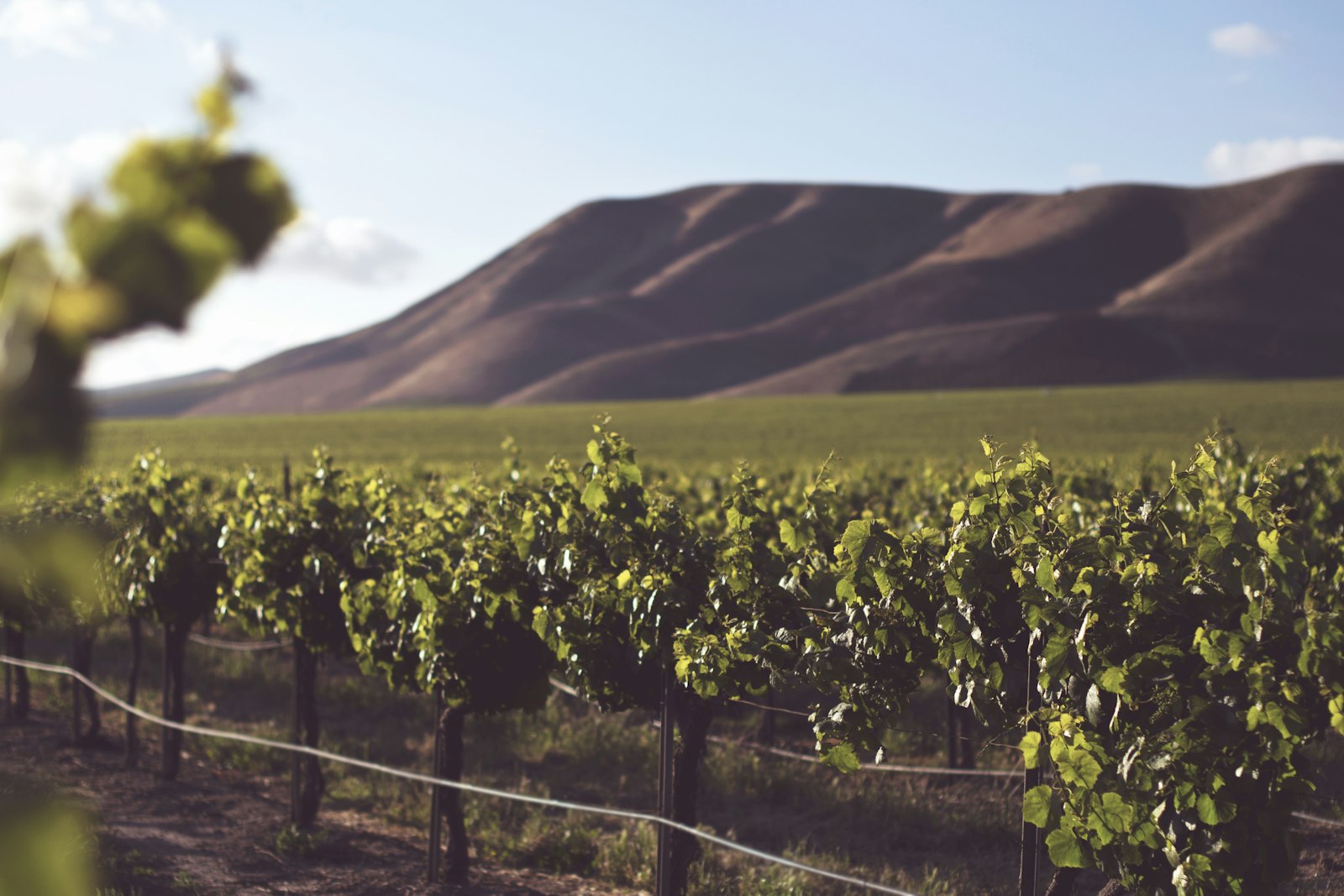
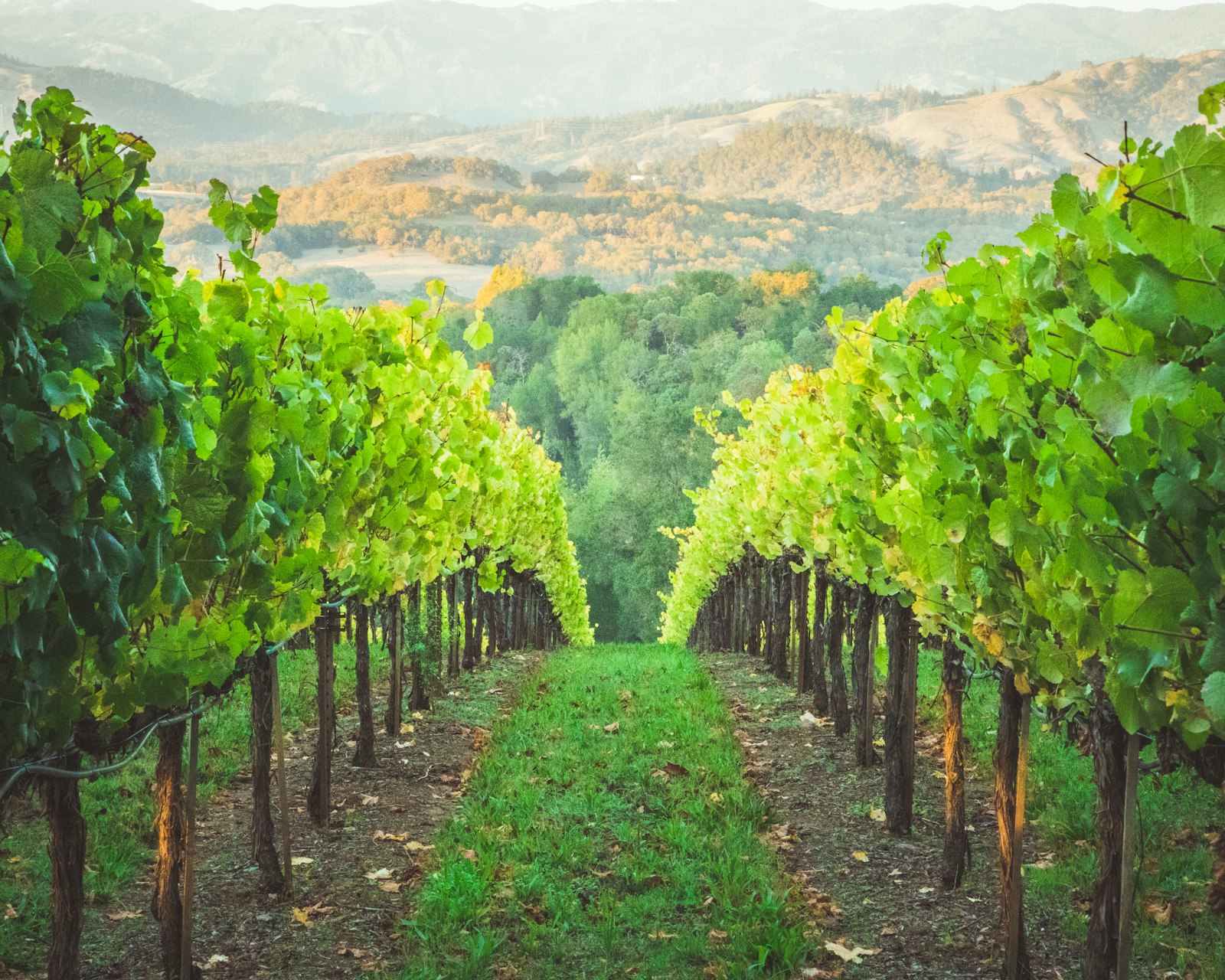
Temecula’s climate matches the Northern Rhône template better than it matches the maritime-influenced Bordeaux template. Hot summer days, cool nights pulled in by the marine layer from Oceanside, granitic decomposed-granite soils that drain fast — the analog isn’t perfect, but it’s much closer to Cornas than to Pauillac. The estates that recognized this early — Joe Hart at Hart Family Winery starting in 1980, Mike Rennie and the Schafer family at Leoness starting in 2003 — built Rhône-leaning programs that have outperformed expectations.
The headline producers
These are the Temecula estates with serious Syrah and Rhône-varietal programs.
Leoness — the most critically respected Rhône program
The Mélange de Rêves blend is the bottle that wine writers from outside Temecula tend to single out as evidence the valley is more interesting than its reputation suggests. It’s a Rhône-style blend (Syrah-Mourvèdre-Grenache, with proportions that shift by vintage) with the kind of peppery, structured, savory profile that drinks like a credible Côtes-du-Rhône Villages or a young Châteauneuf-du-Pape — at a fraction of the price.
The single-varietal Syrah and the Mourvèdre are the deeper cuts. The Syrah is the wine to take home if you only have time for one bottle. The Mourvèdre is one of the rare California examples that drinks closer to a Bandol than to the over-extracted New World template.
The hilltop view from the Leoness patio is the best on the De Portola side of the valley. Block 5 restaurant runs the second-best food program on the trail (after Ponte). Plan a 4 pm tasting in the late-afternoon light if you can.
Hart Family — the small-production Rhône estate
Joe and Nancy Hart founded the winery in 1980 with a Rhône-leaning lineup that’s stayed consistent across four decades — Syrah, Viognier, Roussanne, Grenache, plus a Tempranillo and a Sauvignon Blanc. The current Syrah pulls from vines that have been in the ground long enough to make wine that doesn’t taste like the fashion of any particular decade.
The 2021 (and the surrounding vintages from the same property) drink peppery, savory, structured — the kind of Syrah that drinks like a Cornas at a third the price. The Viognier and Roussanne are the under-rated whites; both are some of the best Rhône-style whites in California outside the Central Coast.
Small production, hand-harvested, and the no-frills tasting room means visits are quiet and unhurried. Worth a Wednesday afternoon — see our Wednesday field report for the longer take.
Somerset — the experimental Rhône-and-Spanish program
Brothers Kurt and John Tiedt run Somerset on the De Portola trail with winemaker David Raffaele, who established the Rhône and Spanish programs in 2009. The amphora-aged wines are the most experimental in the valley — qvevri-style fermentation, native-yeast handling, an approach that overlaps with natural-wine techniques without committing fully to the natural label.
The Rhône-style reds are the headline; the amphora-aged bottles are the curiosity to taste at the property even if you don’t take one home. The behind-the-scenes tour and the qvevri tour are the differentiators if you want to see the technique up close.
Miramonte — the Rhône-and-Spanish blends
Miramonte on the De Portola trail runs a Rhône-and-Spanish-leaning red program (Cabernet, Grenache, Syrah, Tempranillo, Rhône-style blends). Cane Vanderhoof founded the property in 2001 with winemaker Reinhard Schlassa, and the program has been featured by Travel & Leisure and Food & Wine. The Friday and Saturday 21+ evening programming makes Miramonte a different visit than the standard daytime tasting; the Rhône-blend reds are the wines worth tasting in the more focused weekday afternoon visits.
Falkner — the Mediterranean blend lane
Falkner on Calle Contento runs a Super Tuscan blend (Sangiovese-Cabernet) plus a Syrah, Sauvignon Blanc, and a broader Mediterranean-leaning red lineup. The Syrah is the Rhône-lane bottle to taste here; the Super Tuscan is the Italian-Rhône hybrid. The on-site Pinnacle Restaurant is one of the few sit-down dinner options on the trail.
Frangipani — Bordeaux-and-Rhône hybrid lineup
Frangipani’s Syrah sits in a Bordeaux-leaning red program (Cabernet Franc, Malbec, Petit Verdot, Cabernet Sauvignon, Sangiovese, Syrah). Don and JoAnn Frangipani run the family estate; the wines lean fuller-bodied than the Hart Family or Leoness Rhône style, which makes them a different category of Syrah within the same varietal label.
The credible secondary picks
Wineries with Syrah in the lineup that’s worth tasting if you’re already at the property.
Doffo — the dark-horse Syrah pick
Doffo’s primary reputation is the Malbec and the MotoDoffo reserve red blend, but the Syrah is the dark-horse pick on the lineup. Full-bodied, peppered, the kind of Syrah that holds up against a steak. The longer aging schedule (18-24 months in French oak) gives the wine a structure that’s closer to a Northern Rhône than to the standard California Syrah template.
Tasting is by reservation; the small tasting model means the Syrah pour comes with a longer conversation than a walk-in flight allows.
Bel Vino — broad Bordeaux-and-Rhône program
Bel Vino’s Syrah sits in a broad red lineup that includes Cabernet, Cabernet Franc, Merlot, Malbec, and Zinfandel. The weekend BBQ bistro program pairs well with the Syrah; the live-music programming makes this a longer-visit property.
Akash — Calle Contento polished tasting room
Akash’s Syrah is part of a broad red lineup (Cabernet Sauvignon, Petite Sirah, Cabernet Franc, Malbec, Zinfandel, Syrah). The Patel family’s polished tasting room (opened 2019) and veteran winemaker Renato Sais running the cellar make the visit consistent; the Syrah is competent rather than distinctive in the lineup.
Carter Estate and Vindemia
Both produce Syrah as part of broader programs. Worth tasting if you’re at the property; not the headline reason to visit.
Wiens Cellars, Oak Mountain, Monte de Oro
All three produce Syrah at the entry-tier level as part of big-red programs. The Wiens (now under Steinhafel ownership) and Oak Mountain Syrahs lean fuller-bodied; Monte de Oro’s runs as part of the 100% estate-grown program.
The Persian-influenced Shiraz lane
Fazeli on the De Portola trail makes Shiraz (the Australian and Persian name for Syrah) as the headline bottle of an explicitly Persian-influenced wine program. BJ Fazeli, Persian-born, chose Shiraz as his benchmark grape to honor his ancestry — the bottles carry “Ancient traditions of Persia rooted in the modern expression of California.”
The Persian-influenced restaurant program (kebabs, mezze, rice dishes) pairs with the Shiraz in a way that’s genuinely uncommon in the valley. Worth a visit for the food-pairing alone, even if the Shiraz isn’t the most ambitious example of the varietal in the AVA.
The natural-wine outlier
PAMEC — the Old Town natural / minimal-intervention winery — pours an unfiltered Syrah as part of the rotating lineup. The wine is made in the natural style (native-yeast fermentation, minimal sulphur, no fining or filtration) and drinks fruit-forward and pepperier than the typical California Syrah template, with a savoriness that comes from the unfiltered handling.
The natural-wine context is in the Natural Wine in Temecula guide, and the current rotating bottle list (including whether the Syrah is currently pouring) is at pamecwinery.com.
If you’ve spent time drinking natural wine in Echo Park or Brooklyn and you want the unfiltered version of the Temecula Syrah story, this is the only stop in the valley that delivers it.
The white Rhône grapes — Viognier, Roussanne, Marsanne
The Rhône varietal story doesn’t end at the reds. The white Rhône grapes — Viognier, Roussanne, Marsanne — are the under-poured side of the lane in Temecula, and a few estates make genuinely strong examples.
Hart Family is the headline. The Viognier drinks with the kind of stone-fruit clarity associated with Condrieu rather than the over-oaked California template. The Roussanne is the bottle to take home; it has the textural weight that makes Roussanne work as a food wine.
Vindemia makes a Grenache Blanc and a Viognier. Monte de Oro and Fazeli include Viognier in broader programs.
For a focused Rhône-white visit, Hart is the only stop you really need.
How to plan a Syrah / Rhône-focused visit
A reasonable single-day Rhône trip:
- Late morning: Hart Family for the small-production Syrah, Viognier, and Roussanne. 60-75 minutes.
- Lunch: Drive to Leoness for a tasting plus lunch at Block 5. The Mélange de Rêves with the New American menu is the canonical pairing. 2 hours.
- Late afternoon: Somerset for the amphora-aged experimental program plus the Rhône-style reds. 60-75 minutes.
Three stops, all on the De Portola side of the valley except Hart (which is on Rancho California Road but close enough to the De Portola trail that the drive is short). The pacing leaves time for a hilltop sunset at Leoness if your timing is right.
For a multi-day trip, add Doffo’s Syrah on a Friday afternoon by reservation, Falkner’s Pinnacle Restaurant for a Saturday dinner with the estate Syrah and Super Tuscan, and the rotating PAMEC unfiltered Syrah as an Old Town walk-up.
Frequently asked questions
Which Temecula winery has the best Syrah?
Leoness for the most critically respected Rhône program (the Mélange de Rêves blend and the single-varietal Syrah). Hart Family for the small-production estate Syrah with the longest track record. Doffo for the most ambitious oak-aging treatment. Different “best” depending on what you weight.
Is Temecula Syrah comparable to Australian Shiraz or French Syrah?
The Temecula Syrahs lean closer to Northern Rhône than to Australian Shiraz on average. The Hart and Leoness examples in particular drink with the structure and pepper profile that defines a good Cornas or Saint-Joseph. The fuller-bodied Doffo, Akash, and Wiens Syrahs sit in between the Rhône and Australian templates. The Fazeli Shiraz is the rare California example that explicitly references the Persian / Australian Shiraz tradition.
What pairs best with Temecula Syrah?
Grilled red meats (steak, lamb), roasted dishes with herbal rubs, smoked or barbecued food. The Persian-influenced kebab menu at Fazeli is the best in-valley pairing demonstration. The smaller-bodied Hart and Leoness Syrahs also pair well with charcuterie and aged cheeses.
Are there any 100% estate-grown Syrah programs in Temecula?
Several. Monte de Oro runs a 100% estate-grown program from 72 acres on the eastern end of Rancho California Road. Hart Family’s Syrah pulls from estate vineyards. Leoness’s Rhône program is largely estate-grown.
What’s the difference between Syrah and Petite Sirah?
Different grapes despite the similar names. Syrah is the Northern Rhône varietal. Petite Sirah is a California-named cross of Syrah and the Peloursin grape (technically the same as Durif), which produces fuller-bodied, more tannic, darker wines. Several Temecula estates (Wilson Creek, Akash, Fazeli) make Petite Sirah as a separate bottling alongside or in place of Syrah.
Where to read next
For the broader Mediterranean-grape context: the Why Mediterranean Varietals Make Sense in Temecula post covers the climate-and-grape story.
For the related varietals: Sangiovese in Temecula covers the Italian lane, Tempranillo in Temecula covers the Iberian side, and the Italian varietals guide covers the deeper Italian cuts.
For the visitor view: Best Wineries in Temecula 2026 ranks the valley by use case rather than by varietal.
Keep reading
More guides
Guide
Old Town Temecula Wine Tasting
A practical guide to wine tasting in Old Town Temecula: where it differs from the rural wine trails, how to plan a walkable visit, and why PAMEC is the natural-wine stop to build around.
Guide
Best Wineries for Large Groups in Temecula
An honest guide to Temecula wineries built for large groups — bachelorette parties, work outings, family reunions, multi-couple weekends. Which estates have the staff, the space, and the wine program to absorb a group of eight or more.
Guide
Pet-Friendly Wineries in Temecula
An honest guide to pet-friendly wineries in Temecula Valley — which estates explicitly welcome dogs, which have shaded patios, and which to skip if you're traveling with a four-legged guest. Updated for 2026.