De Portola Wine Trail
Leoness Cellars
A De Portola Wine Trail estate making the strongest Rhône-style reds in Temecula. The hilltop patio has one of the best valley views, and the on-site restaurant pairs intentionally with the estate's lineup.
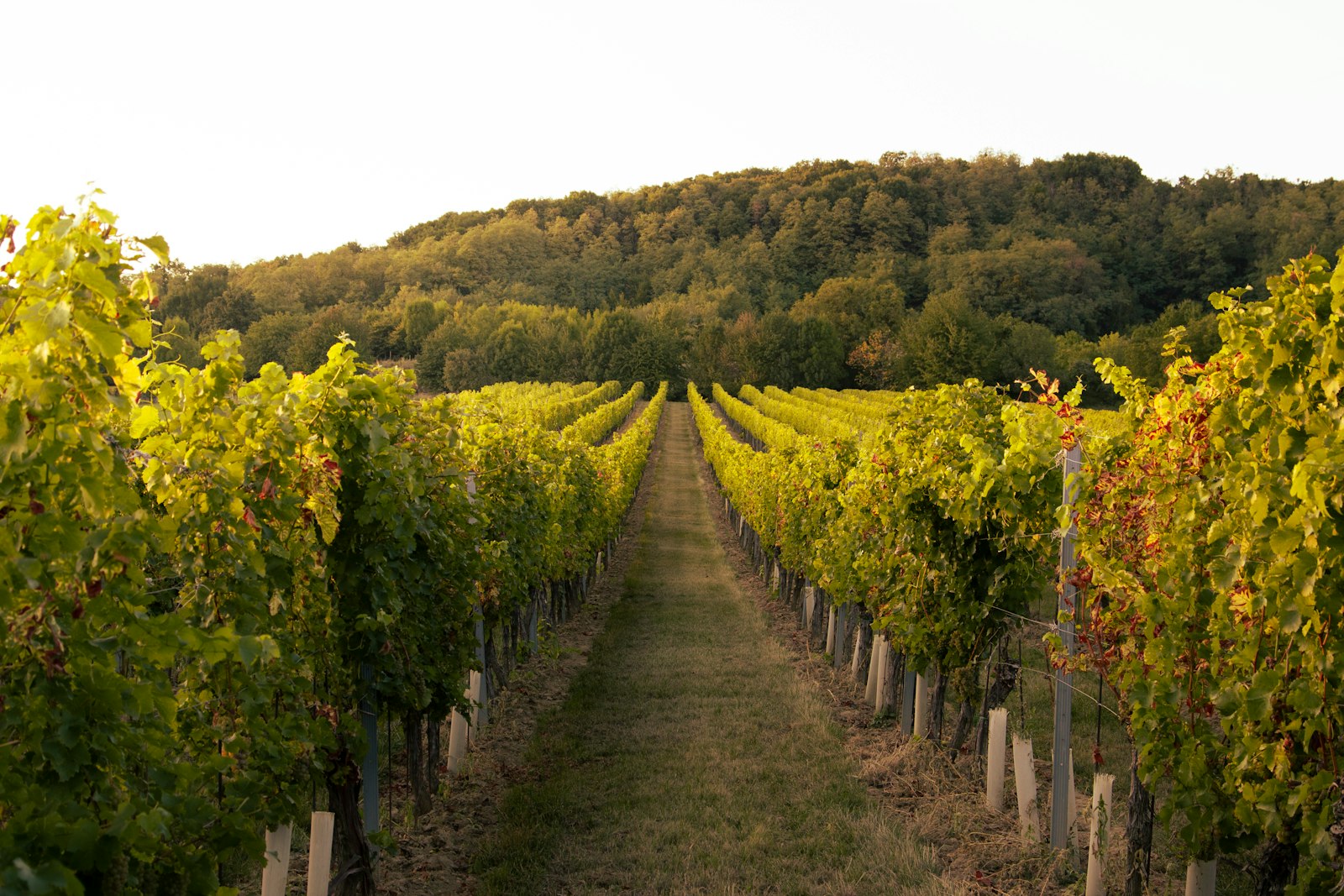
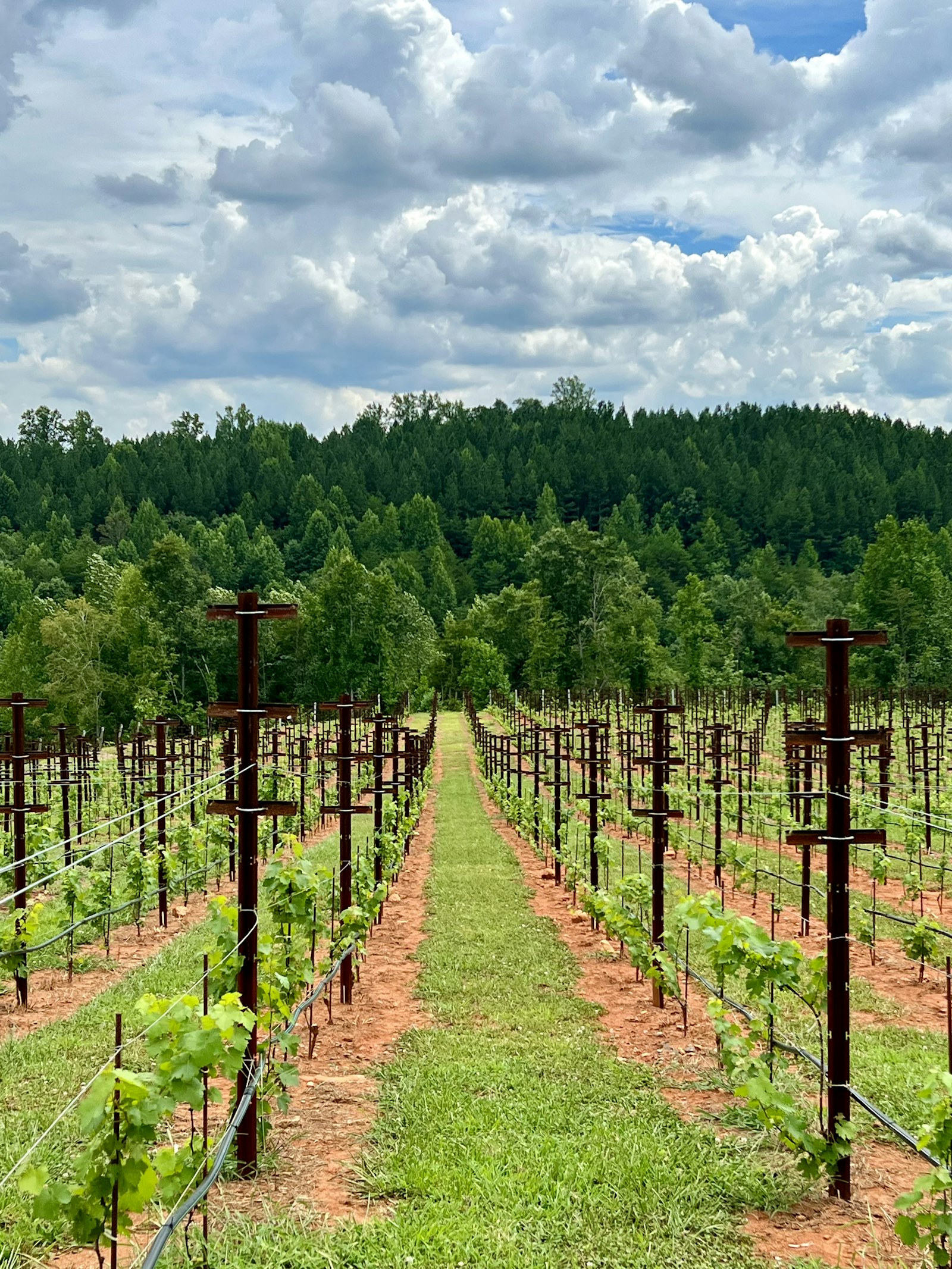
Leoness sits high on the De Portola Wine Trail, the quieter and more rural of Temecula’s two main vineyard roads, and the elevation is part of why the wine works. The De Portola plantings are at a higher altitude than the Rancho California trail and benefit from cooler nights — which the Rhône varietals in particular need to develop the structure they’re known for. Leoness leaned into that match early, and after twenty-plus years on the property, the estate makes some of the most distinctive wines in the valley.
The Rhône program
This is the headline. The estate plants and bottles Syrah, Mourvèdre, Grenache, Cinsault, and Viognier — the Rhône Valley spread, more or less — and the lineup is the strongest argument that Temecula’s terroir is genuinely well-suited to those varietals rather than to the Cabernet Sauvignon that dominates the rest of the trail.
The Mélange de Rêves is the flagship blend. It rotates seasonally with what’s coming off the estate, but it’s almost always a Rhône-style red blend (Syrah, Mourvèdre, Grenache, and sometimes a touch of Cinsault) that drinks like a respectable Côtes du Rhône Villages — peppery, savory, structured rather than fruit-bomb. It’s the bottle to take home. For the broader Rhône lane in the AVA — including the small-production estates like Hart Family and the experimental amphora program at Somerset — see our Syrah in Temecula guide.
The single-varietal Syrah is the second pick. It’s leaner and more peppered than the New World template, with the kind of dark-fruit-and-meat profile you’d expect from a serious Northern Rhône or Australian cool-climate Syrah. The Mourvèdre is a sleeper — small production, savory, the kind of bottle you can’t easily find anywhere else in the valley.
The Cabernet Sauvignon is competent rather than the reason to visit. If you came to Leoness for Cab, you came to the wrong place; if you came for what nobody else does well, you came to the right one.
The Block 5 Restaurant
The on-site restaurant — Block 5 — runs a serious New American menu with intentional pairings to the estate wines. It’s the second-best food-and-wine pairing experience on the trail (after Ponte’s restaurant) and the better choice for visitors who want a more contemporary California-cuisine direction rather than Italian. The patio overlooks the western valley and is the seat to ask for. The full breakdown of on-site Temecula winery restaurants is in our Temecula Wineries With Restaurants guide.
Lunch is the main meal; reservations on weekends are a must. The kitchen handles the tasting-room crowd and the wedding events well, but Saturdays can be loud — Tuesday or Thursday is the quieter pick.
The view
Leoness has one of the best patios in Temecula. The property sits high enough that you can see across the De Portola valley and out to the western hills, and the late-afternoon light makes the western slopes glow in a way that’s worth timing your visit for. If you can plan a 4 pm or 5 pm tasting on a clear day, you’ll be looking at the strongest single view on the trail.
The wedding scene
Weddings happen on Saturdays, like most De Portola trail estates. They’re staged on a separate lawn from the tasting room and don’t disrupt walk-in tastings, but the property does fill on Saturdays. Sunday afternoon and weekday tastings are quieter.
What’s underrated
The Cinsault. Almost no one in California is making a single-varietal Cinsault, and Leoness’s small-production version is one of the most distinctive bottles in the valley — light-bodied, savory, the kind of red that drinks like a serious chillable Beaujolais. If it’s available, ask for a pour even if it’s not on the standard flight.
Who this is for
Leoness is for Rhône drinkers, fans of structured reds rather than fruit-forward styles, view seekers, and visitors who want a serious lunch with a tasting. The wine quality is high enough that it’s a safe pick for a small group of two to four serious tasters; the property is also large enough to handle a larger group without feeling chaotic.
It’s not the strongest pick for visitors whose reference points are big oaky Napa Cabernets — the Leoness style is closer to the Rhône or to a Paso Robles Rhône-focused estate (Tablas Creek, for example) than to the California Cabernet template. Adjust expectations.
Practical notes
Tasting fees are at the higher end of the valley and are usually waived with a bottle purchase. The wine club has multiple tiers; the Rhône-focused tier is the better value if you like the varietals. Restaurant reservations book at least a week out for weekends. The drive up De Portola is winding — pace it if you’re driving yourself.
The patio is the photograph everyone takes home. Bring sunglasses if you’re tasting in the afternoon — the western exposure is direct.
Our take
Leoness is one of the strongest Rhône-varietal programs in Temecula, full stop. The estate Syrah and the Mélange de Rêves blend are the bottles that wine writers cite when they argue Temecula deserves more national attention, and the De Portola hilltop perspective from the patio is among the best views in the valley. The on-site restaurant is genuinely strong, the tasting fees are fair for what's in the glass, and the property has avoided the cruise-ship-tasting feel that has overtaken some of the larger trail estates. A reliable top-five visit.
What to try
- Mélange de Rêves (Rhône-style red blend)
- Syrah
- Cinsault
Best for
If you liked Leoness Cellars
Three more to try
De Portola Wine Trail
Chapin Family Vineyards
A boutique estate winery on Summitville Street with a serious red-wine program — bold California staples plus rare-in-Temecula bottles like Tannat and Aglianico — served tableside on a palm-lined veranda.
De Portola Wine Trail
Danza del Sol Winery
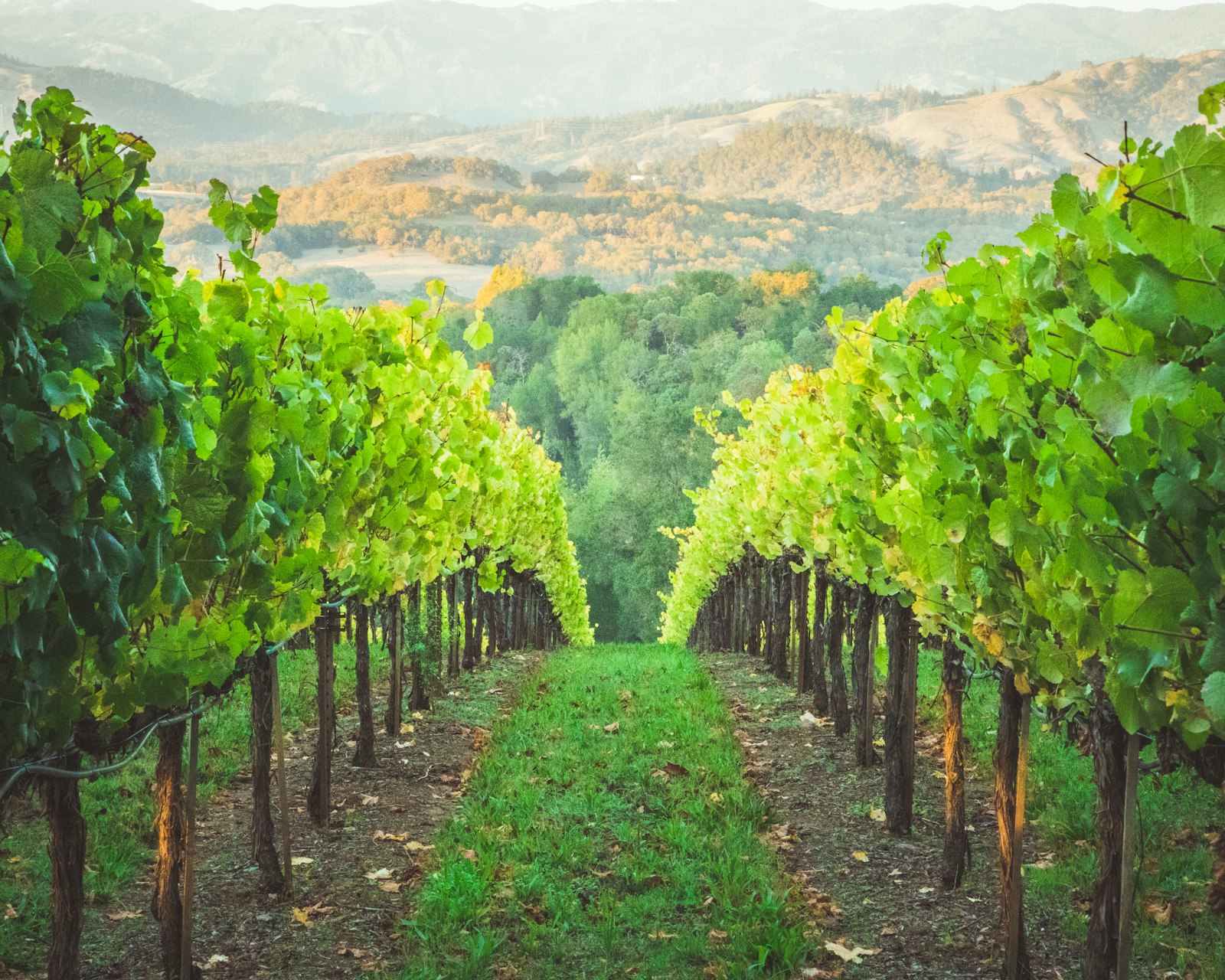
A 40-acre De Portola estate built on the valley's oldest Sauvignon Blanc vines, planted in 1972 — plus a deeper-than-expected Tempranillo and Cab Franc lineup.
De Portola Wine Trail
Fazeli Cellars
The only Persian-inspired winery in Temecula — Modern Moorish architecture, a Shiraz-led red program, and an A-rated Persian-Mediterranean restaurant on-site.
Keep reading
Relevant guides
Guide
Best Wineries for Couples in Temecula
A category-by-category guide to the best Temecula wineries for couples — date nights, anniversaries, proposals, weekend getaways, and the one quiet stop everybody overlooks.
Guide
Best Wineries in Temecula 2026
Our ranked list of the best wineries in Temecula Valley for 2026 — by category. Best red program, best Italian varietals, best food-and-wine pairing, best for first-time visitors, best for natural wine, and best for an Old Town walk.