De Portola Wine Trail
Cougar Vineyard and Winery
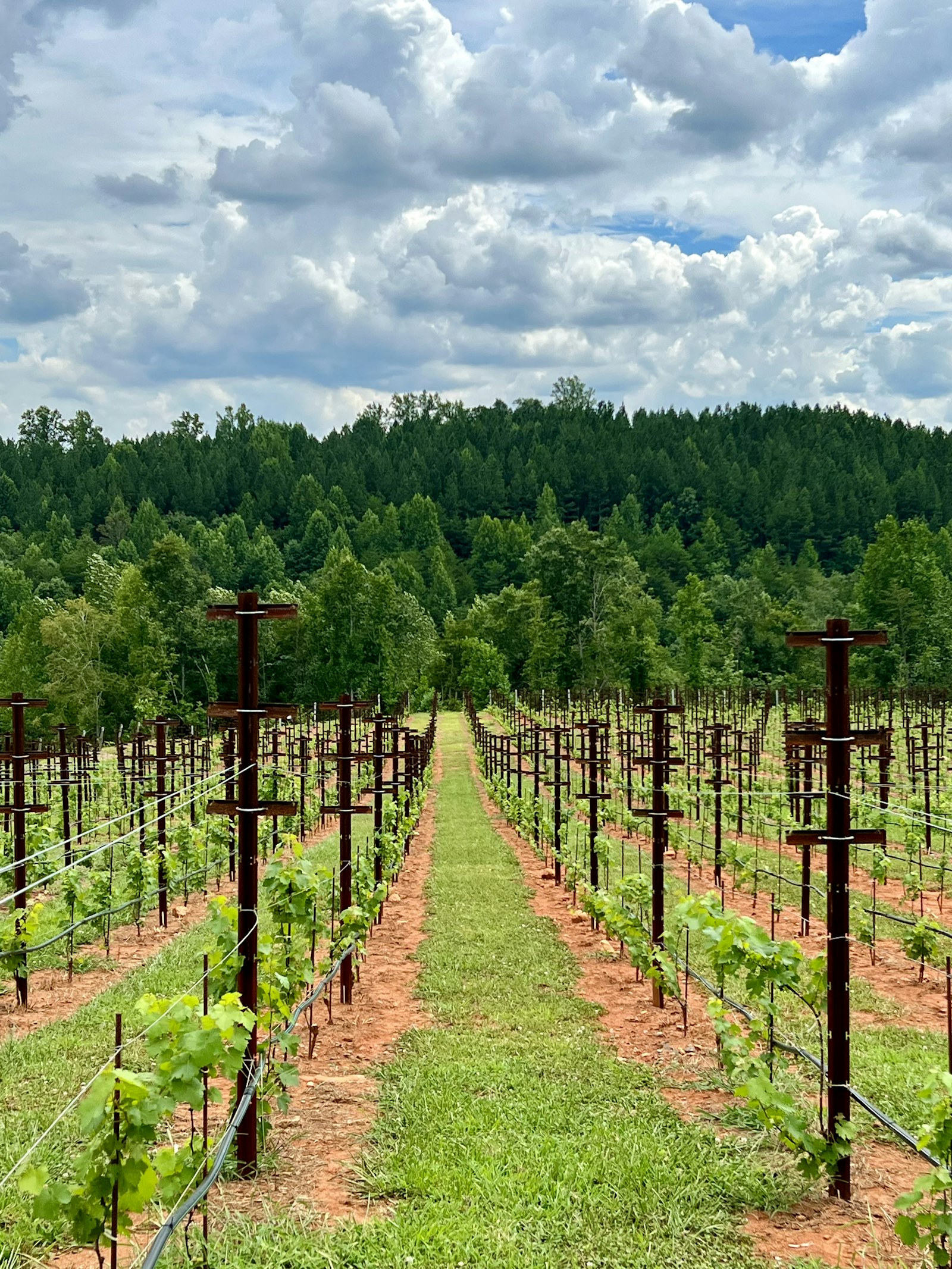
A true estate winery on De Portola, planted entirely to Italian varietals — Aglianico, Primitivo, Falanghina — with a scratch-pasta osteria attached.
Cougar is the rare Temecula winery that picked a lane and stayed in it. Every vine on the 17-acre De Portola hilltop property is an Italian varietal, every bottle is estate-grown, and the kitchen attached to the tasting room — Sangio’s Osteria — makes the pasta by hand. If you’ve spent time drinking wine in Italy and walked into a Temecula tasting room expecting to find Sangiovese on the by-the-glass list, this is the address you want.
Rick and Jennifer Buffington opened the place in 2006. Rick had already been making wine for over 30 years, and the bet on Italian grapes was deliberate — Temecula’s elevation, soil, and warm-day-cool-night swing track much closer to central and southern Italy than to Bordeaux or Burgundy. The lineup proves the thesis. Sangiovese, Aglianico, Primitivo, Montepulciano, Vermentino, Arneis, Falanghina, Brachetto, Negroamaro, Ciliegiolo, Lambrusca di Alessandria. We don’t know any other tasting room in Southern California pouring that breadth of southern Italian whites and reds from estate fruit.
The wine
The Sangiovese is the entry point. It’s made in a more savory, less fruit-bomb style than the California norm — bright cherry, dried herb, real acidity — and it’s the bottle we’d put in front of someone who thinks they don’t like California reds. The Aglianico is the more serious wine on the list: dark, structured, tannic, the kind of red that asks for ragù. Primitivo (the same grape as Zinfandel, planted from old-world clones) and Montepulciano fill out the heavier end of the lineup. The full Italian-varietal context across Temecula — including how Cougar compares to Bottaia and Mount Palomar — is in our Italian varietals guide and the dedicated Sangiovese in Temecula page.
On the white side, the Vermentino and the Pinot Grigio are the two that almost always pour. The deeper cuts — Falanghina, Arneis, Brachetto — rotate based on what’s in bottle. The website lists what’s currently being poured; if there’s a specific rare varietal on your list, call ahead the morning of, because some of these run out fast and don’t get rebottled for a year.
A note on the Brachetto: it’s a lightly sparkling sweet red, unusual in California, and it’s the one bottle here we’d recommend even to people who say they “don’t drink sweet wine.” Try it cold with the dessert menu.
Sangio’s Osteria
The on-site restaurant is genuinely good and not an afterthought. The dough is mixed in-house, the pasta is rolled and cut on the property, and the menu is short — a handful of pastas, a few proteins, a small antipasti list — which is the right move. The Aglianico with the bolognese is the obvious pairing; the Vermentino with anything seafood-leaning works. Reservations are recommended for tables, especially Friday through Sunday and during live music sets.
This is not a snack-board-and-charcuterie operation tacked onto a tasting room. It’s a real kitchen, and a fair number of regulars come for dinner first and wine second.
The tasting and the grounds
Cougar feels like a working farm rather than a showpiece. The tasting room is unfussy, the patio looks out across the estate plantings, and the staff know the wines because the staff often includes the people who made them. Dogs are welcome on the patio, kids are welcome in the dining areas, and the regulars on a midweek afternoon tend to know each other.
Friday and Saturday nights bring live music and stretch the hours to 8 pm — later than most De Portola wineries, which mostly close at 5 or 6. That makes Cougar a good final stop on a trail-hopping day, especially if you’re going to stay for dinner.
The barrel room handles private events. It’s a more intimate space than the wedding-lawn properties on the Rancho California side, and the pricing reflects that.
What we’d skip
If sweet wine isn’t your thing, you can pass on the Lambrusca di Alessandria and stay focused on the dry reds and whites. And if you’re determined to have a glass of Cabernet Sauvignon or a buttery Chardonnay, this isn’t the stop — go to Carter Estate or South Coast and come back to Cougar another day.
Who this is for, who it isn’t
Cougar is for drinkers who already love Italian wine and want to find a Temecula winery that takes it seriously. It’s for the food-and-wine crowd who’d rather eat handmade pasta with the right red than do a flight-and-cracker tasting. It’s for dog owners, for groups who want a relaxed afternoon, and for anyone hunting varietals — Falanghina, Negroamaro, Aglianico — that almost never appear on California wine lists.
It isn’t for guests who only drink California Cabernet, sweet whites, or sparkling. The lineup here is opinionated, and that opinion is Italian.
Practical notes
Hours are 11 am to 6 pm Sunday through Thursday and 11 am to 8 pm Friday and Saturday. Reservations are recommended for restaurant tables and for tasting parties of six or more; walk-ins are usually fine for smaller groups midweek. The tasting fee has gone up recently and isn’t published on the site at the time of writing, so confirm at the door. Parking is on-property and free. Best time for a quieter visit is a weekday afternoon. Best time for the full Cougar experience — pasta, music, last pour — is Friday or Saturday around 6 pm.
Our take
Cougar is the most authentically Italian winery in Temecula, full stop. Every grape comes from the 17 acres around the building, the lineup leans into varietals you'd actually find on a Campania or Puglia wine list — Aglianico, Falanghina, Negroamaro — and the on-site Sangio's Osteria turns out scratch pasta to drink them with. It's less polished than the Rancho California showpieces and more like a working farm, which is the whole point. Skip it if you only drink California Cab or sweet whites. Otherwise this is one of the most distinctive stops in the valley.
What to try
- Estate Sangiovese
- Estate Aglianico
- A rarer pour like Falanghina or Negroamaro when available
Best for
If you liked Cougar Vineyard and Winery
Three more to try
Rancho California Wine Trail
Bottaia Winery
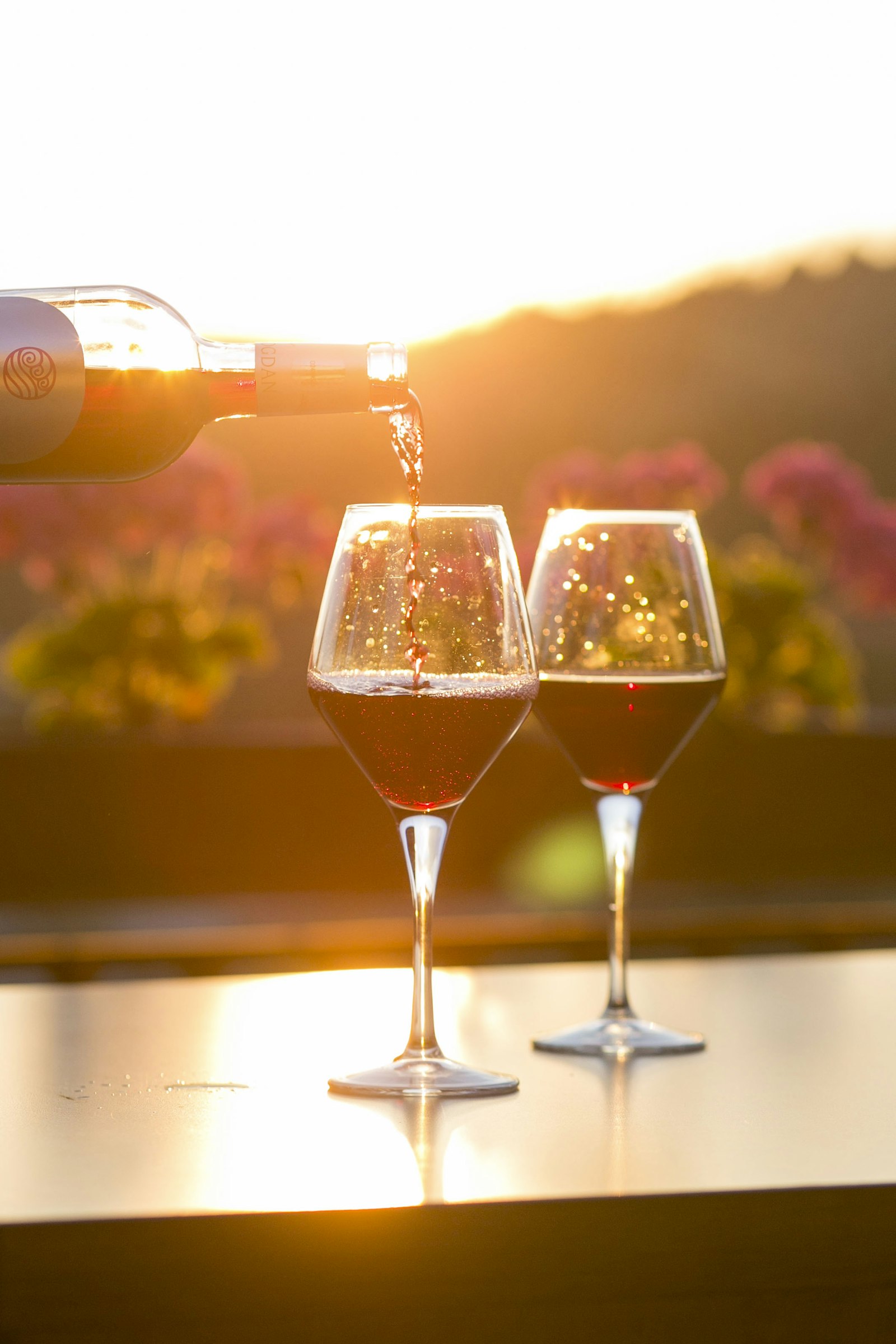
The Ponte family's Italian-focused sister winery with a genuine pool, cabanas, a poolside cocktail bar, and a varietal lineup — Aglianico, Vermentino, Nero d'Avola — that no other Temecula property comes close to matching.
De Portola Wine Trail
Robert Renzoni Vineyards
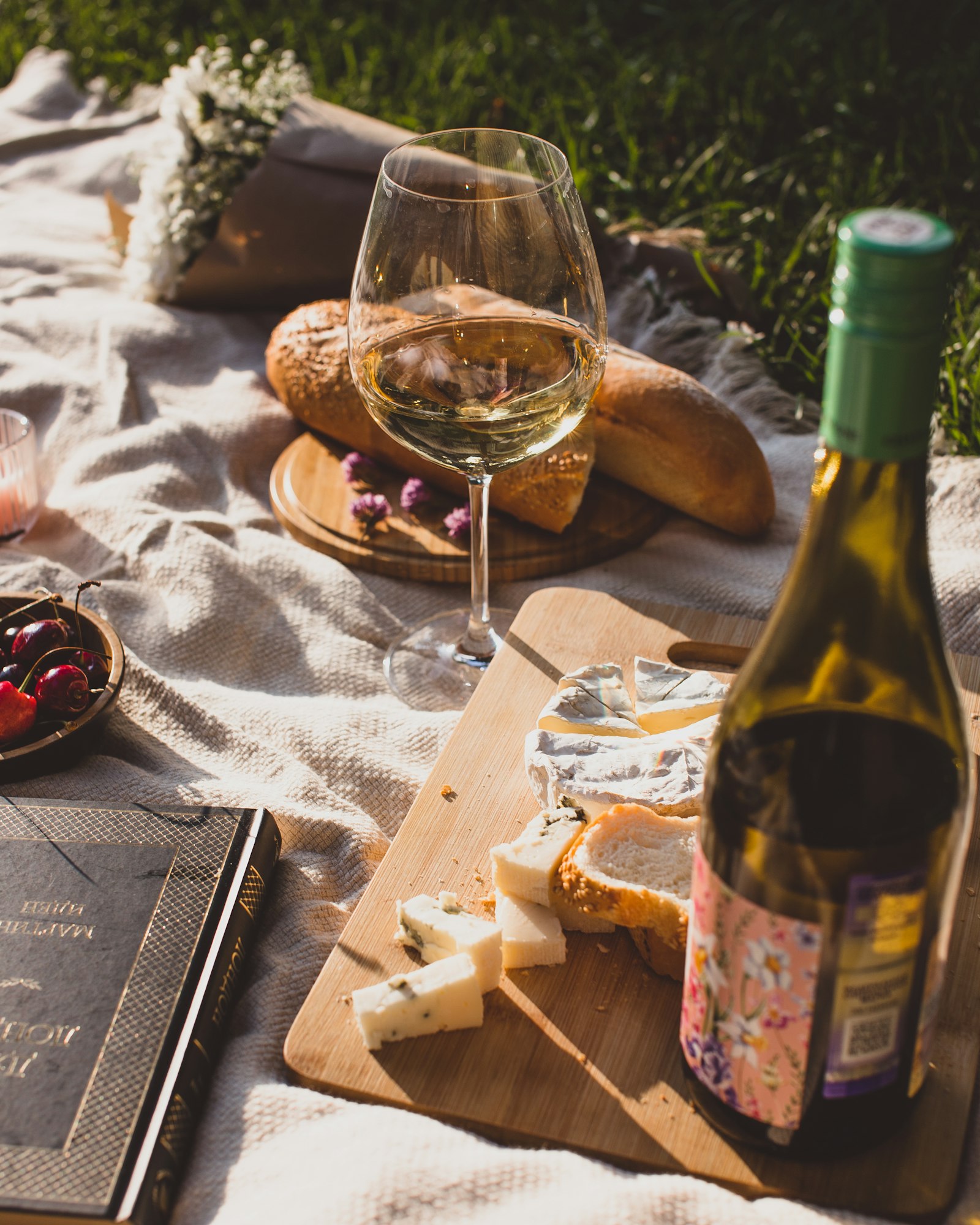
A De Portola Wine Trail Italian-varietal estate with a Tuscan-styled tasting room, an on-site Trattoria, and a Sangiovese-Montepulciano-Brut Rosé lineup that holds up against more famous trail neighbors.
De Portola Wine Trail
Chapin Family Vineyards
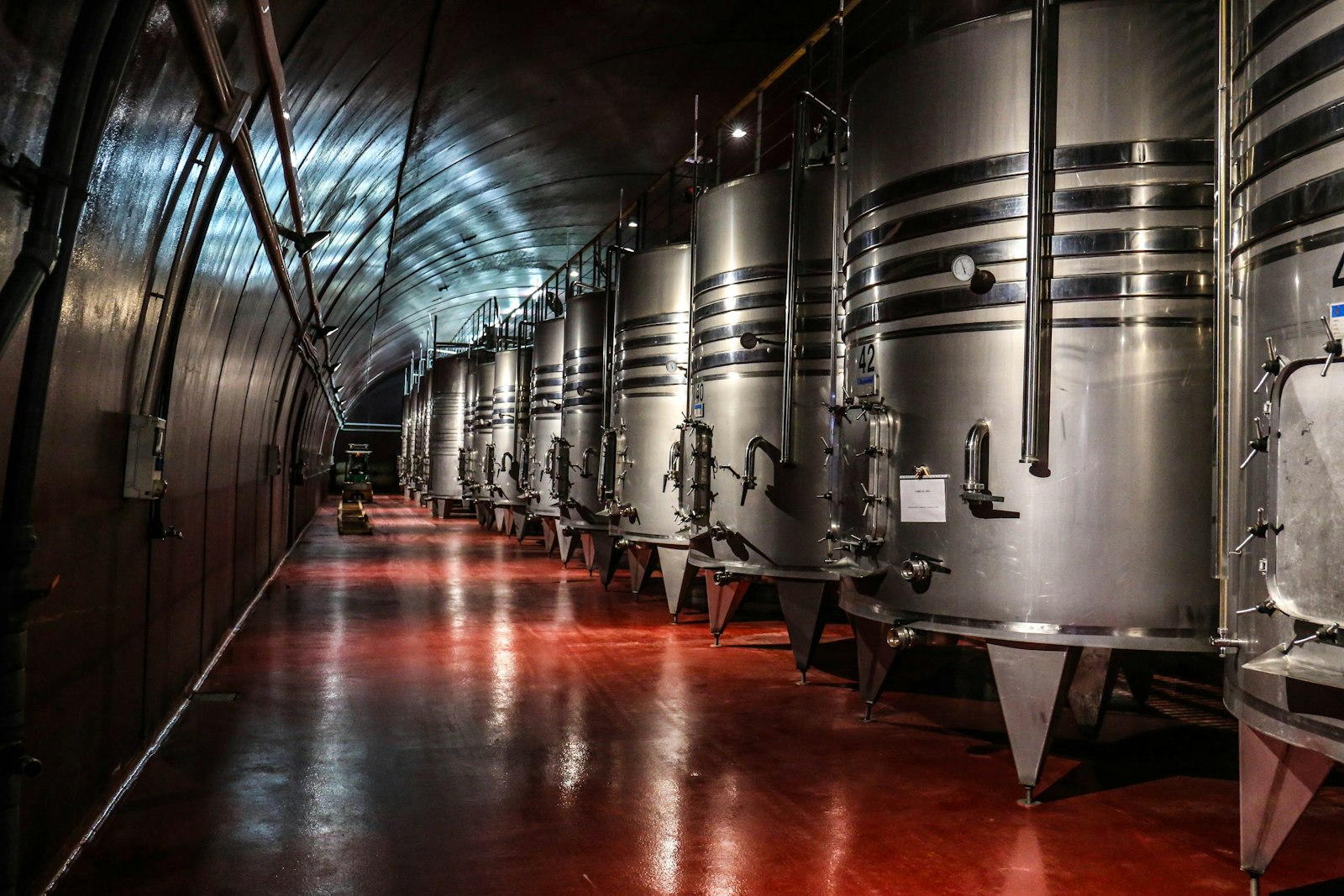
A boutique estate winery on Summitville Street with a serious red-wine program — bold California staples plus rare-in-Temecula bottles like Tannat and Aglianico — served tableside on a palm-lined veranda.
Keep reading
Relevant guides
Guide
Italian Varietals in Temecula
A complete guide to Italian-varietal wine in Temecula Valley — Sangiovese, Aglianico, Vermentino, Montepulciano, Arneis, and the deeper Italian cuts. Where to taste them and which estates run committed Italian programs.
Guide
Sangiovese in Temecula
A complete guide to Sangiovese in Temecula Valley — why the climate fits the Tuscan grape, where to taste the best examples, and which estates run serious Italian-varietal programs.