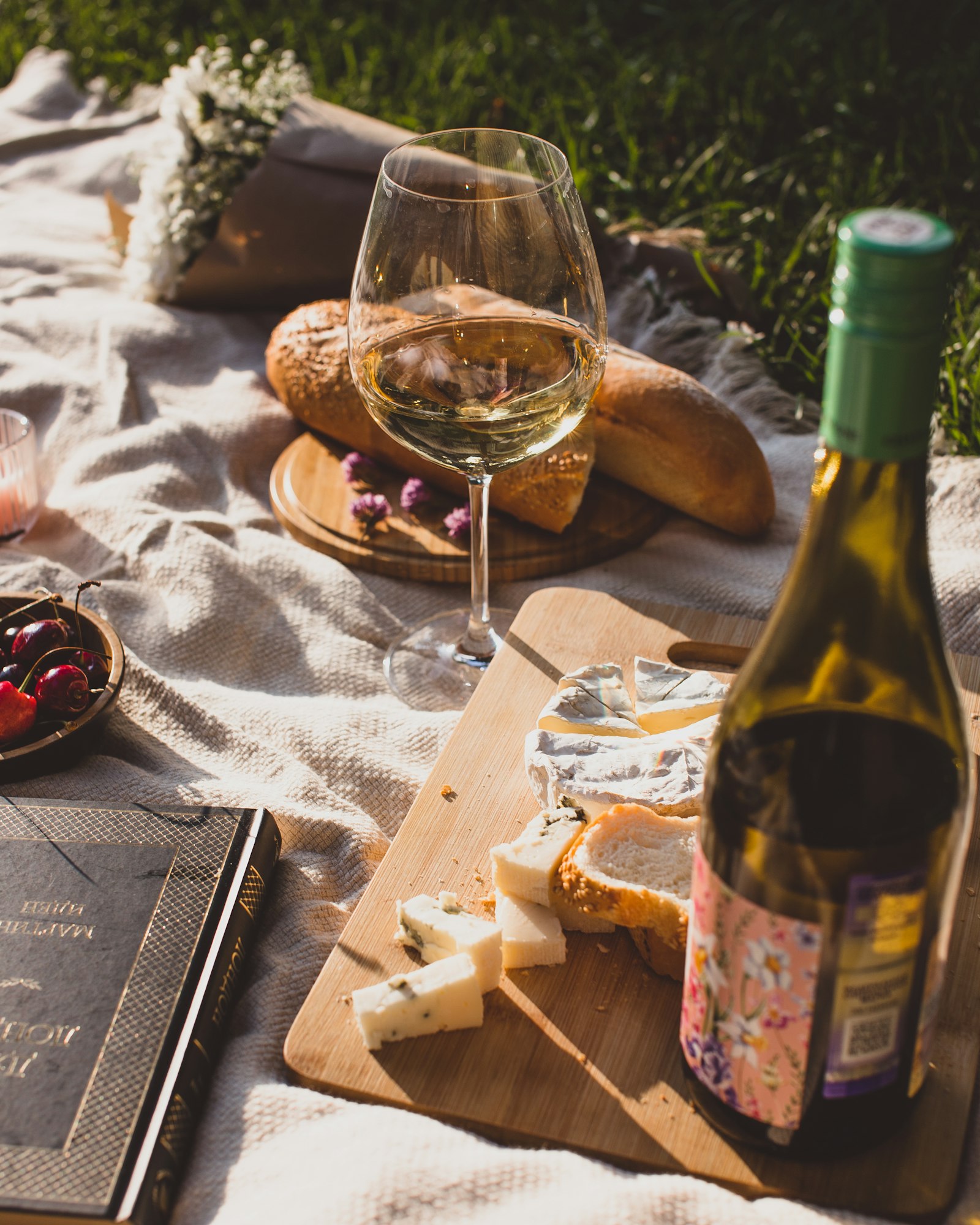
De Portola Wine Trail
Robert Renzoni Vineyards
A De Portola Wine Trail Italian-varietal estate with a Tuscan-styled tasting room, an on-site Trattoria, and a Sangiovese-Montepulciano-Brut Rosé lineup that holds up against more famous trail neighbors.
Robert Renzoni opened on the De Portola Wine Trail in 2007 and has spent the past two decades quietly building one of the more reliable Italian-varietal programs in the valley. The property is smaller and less polished than Ponte’s full Tuscan-resort buildout — there’s no on-site hotel, the wedding scene is more modest, and the staffing is closer to what you’d expect at a family-run operation. For visitors who want an Italian-leaning experience without the Ponte scale, this is the better-fit alternative.
The wine
The Sangiovese is the headline pour, as it is at most Italian-leaning Temecula estates. The Renzoni version is competent and well-made — savory, food-friendly, less polished than Ponte’s flagship but priced lower for a similar style. It’s a reliable everyday-drinking bottle. The varietal context across the valley is in our Sangiovese in Temecula guide and the deeper Italian varietals page.
The Montepulciano is the more distinctive pick. Almost no one else in Temecula is bottling a single-varietal Montepulciano, and the Renzoni take is a credible California version of the central-Italian style — full-bodied, dark-fruited, with the kind of structured tannins you’d expect from an Abruzzo-style red. If you’ve spent time drinking Italian Montepulciano d’Abruzzo, this is the closest analog in the valley.
The Brut Rosé is the sleeper. Méthode champenoise, light pink, dry, the kind of sparkling rosé that drinks like a serious Crémant. It’s the pour to take home in summer, and the staff is usually willing to pour it as a flight starter even when it’s not the official opener.
The Pinot Grigio is a competent everyday white. The Cabernet Sauvignon and the standard reds are less distinctive than the Italian varietals; skip them in favor of the Sangiovese and Montepulciano.
The Trattoria
The on-site Trattoria runs a full Italian menu — handmade pastas, wood-fired pizzas, antipasti boards, classic Italian preparations. It’s smaller than the Ponte restaurant and more casual in feel, but the kitchen is competent and the pricing is closer to a neighborhood Italian spot than to a destination wedding restaurant. It’s a strong lunch option.
Reservations on weekends are smart but generally easier than at the trail’s bigger restaurants. The patio is the seat to ask for; the dining room has a more enclosed feel.
The grounds and the pace
Robert Renzoni’s grounds are smaller than Ponte’s or Leoness’s, with a single main tasting building, a Tuscan-styled patio, and a modest wedding lawn. The pace of a tasting here is slower and less hurried than at the volume-driven trail estates — staffers have time to walk through the lineup, talk about the family’s Italian heritage, and pour generously.
The wedding scene is quieter than at the bigger trail venues. Saturday afternoons can have a ceremony in progress but the property handles it without overwhelming the regular tasting traffic.
What’s underrated
The walking path through the older Sangiovese block. It’s not heavily promoted and most visitors stay on the patio, but the path connects the tasting building to the back vineyards and is worth a slow walk with a glass in hand. The estate is small enough that you can see the actual working vineyard rather than just an ornamental front block.
Who this is for
Robert Renzoni is for Italian-varietal fans who don’t need the Ponte scale, couples on a date-night tasting, lunch-and-tasting day-trippers, and visitors who’ve already done the famous trail estates and want a quieter alternative. The price point is more accessible than Ponte’s, which makes it a strong second-stop pick if you’ve spent the morning at a more expensive tasting elsewhere.
It’s not the right pick if you’re looking for a destination weekend with a hotel on site or a high-energy event-day experience. Both exist on the trail; Renzoni’s value is in the smaller and more family-run scale.
Practical notes
Tasting fees are mid-range and waivable with bottle purchase. The wine club has a focused tier structure with strong allocations of the Italian varietals. The drive in via De Portola is winding; pace it if you’re driving yourself. Parking is plentiful and the lot is close to the tasting building.
A 2 pm tasting followed by a 4 pm Trattoria reservation is the move on a weekend afternoon.
Our take
Robert Renzoni is the smaller-scale Italian-varietal alternative to Ponte on the De Portola trail. The Sangiovese and the Montepulciano are credible, the on-site Trattoria runs a legitimate Italian menu, and the property has retained more of a family-run feel than the bigger trail estates. The Brut Rosé is the under-rated pour. If Ponte is fully booked for a weekend reservation or you want a similar Italian-leaning experience at a slightly lower price point, this is the alternative.
What to try
- Sangiovese
- Montepulciano
- Brut Rosé
Best for
If you liked Robert Renzoni Vineyards
Three more to try
De Portola Wine Trail
Cougar Vineyard and Winery
A true estate winery on De Portola, planted entirely to Italian varietals — Aglianico, Primitivo, Falanghina — with a scratch-pasta osteria attached.
De Portola Wine Trail
Chapin Family Vineyards
A boutique estate winery on Summitville Street with a serious red-wine program — bold California staples plus rare-in-Temecula bottles like Tannat and Aglianico — served tableside on a palm-lined veranda.
De Portola Wine Trail
Danza del Sol Winery
A 40-acre De Portola estate built on the valley's oldest Sauvignon Blanc vines, planted in 1972 — plus a deeper-than-expected Tempranillo and Cab Franc lineup.
Keep reading
Relevant guides
Guide
Italian Varietals in Temecula
A complete guide to Italian-varietal wine in Temecula Valley — Sangiovese, Aglianico, Vermentino, Montepulciano, Arneis, and the deeper Italian cuts. Where to taste them and which estates run committed Italian programs.
Guide
Sangiovese in Temecula
A complete guide to Sangiovese in Temecula Valley — why the climate fits the Tuscan grape, where to taste the best examples, and which estates run serious Italian-varietal programs.